Whangarei Emergency Roof Repairs
Your roof damage after a storm needs fast, reliable action. We provide emergency roof repairs throughout Whangarei, responding quickly to prevent further damage and protect your property when it matters most.
Emergency Roof Repairs Whangarei
A roof usually fails at the worst possible moment: mid-storm, after dark, with water already coming through the ceiling. Suddenly it isn't a maintenance job — it's buckets on the floor, soaked insulation, and a real question about how much damage the next few hours are going to do. Northland storms arrive with wind behind the rain, which is why a lifted sheet or a stripped ridge cap turns into an active leak so quickly.
When that happens, emergency roof repairs in Whangarei are about stopping the water first and sorting the permanent fix second. Our crew makes the roof safe, gets weatherproof cover in place if conditions won't allow more, then returns to complete the repair properly once the weather has cleared through. Call any time — we'd far rather hear from you early than after the ceiling gives way.
Signs You Need Whangarei Emergency Roof Repairs
Water Coming Through the Ceiling
An active leak spreads through insulation and plasterboard the whole time you're waiting. Stopping it the same day is what keeps the repair to the roof rather than the interior as well. Ceiling linings and insulation cost far more to replace than roofing does.
Roofing Sheets Lifted by Wind
Once a sheet or a ridge cap has lifted, the wind has a way in underneath it. The rest of that roof plane stays at risk until it's either refixed or temporarily secured down.
Storm or Tree Damage
Branches and flying debris crack tiles and puncture steel sheeting easily. Even a small hole in the wrong place puts a remarkable amount of water into a roof space within an hour. Debris on the roof also blocks the gutters as the rain continues.
Water Backing Up Over the Gutter
Blocked spouting in a heavy downpour can push water back up under the leading edge of the roofing. Clearing it mid-storm is often the fastest way to stop an internal leak. It's also the least invasive fix available in the middle of a storm.
Sagging or Bulging Ceilings
A ceiling holding water is both a leak and a genuine safety problem for anyone underneath. That needs someone on site quickly, before the weight brings it down on its own. Moving furniture and keeping people clear of the room helps immediately.
Damage Before an Insurance Claim
Insurers expect you to take reasonable steps to limit further damage after an event. Prompt make-safe work, recorded properly with photos, supports the claim you'll be making afterwards. We can usually attend before an assessor is able to get out.
Rapid Emergency Roof Repairs in Whangarei
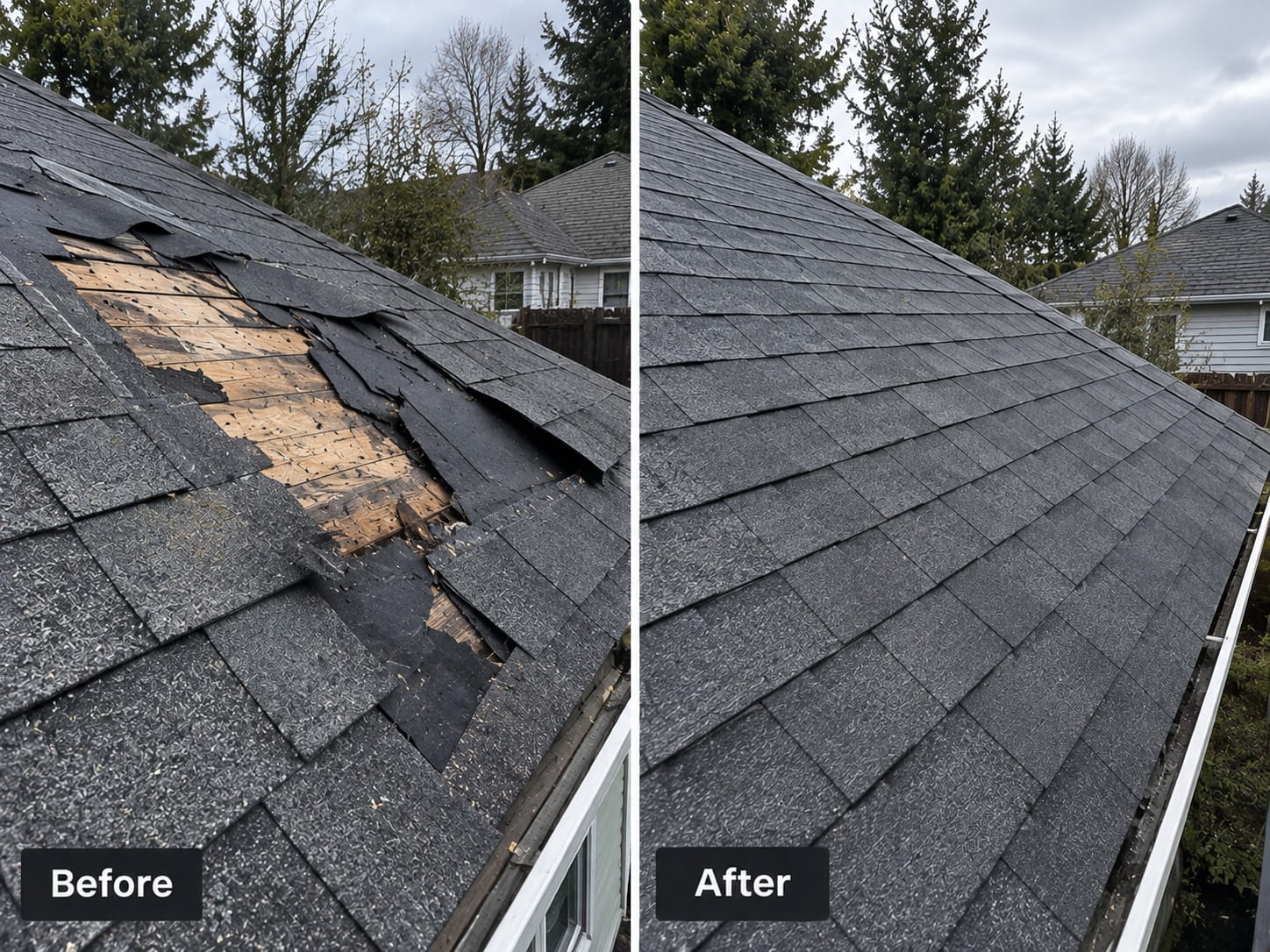
When storm damage strikes, you can't afford to wait days for a response. We provide fast, reliable emergency roof repairs across Whangarei, attending damaged roofs promptly to prevent leaks, structural damage, and further deterioration to your property. Whether it's storm-torn iron, fallen debris, or sudden leaks during heavy rain, our team responds quickly with temporary or permanent fixes depending on severity. We understand that every hour counts once your roof is compromised, so we prioritise urgent callouts and work efficiently to secure your property. You get genuine peace of mind knowing a trusted local team is ready when disaster hits unexpectedly.
Our Emergency Roof Repairs Services in Whangarei
Urgent work follows a clear order: make it safe, stop the water, then repair it properly.
Rapid Make-Safe Response
Our first priority on arrival is stopping water entry and removing anything at risk of falling. Permanent repairs follow once the roof is stable, dry enough and genuinely safe to work on. Trying to do a full repair mid-storm helps nobody in the end.
Temporary Weatherproofing
Where conditions rule out a full repair on the day, we fit shrink-wrap, tarpaulins or temporary flashings that will genuinely hold until the weather has passed through properly. Properly fixed cover buys you days rather than a few hours.
Leak Location Under Pressure
Finding an entry point in driving rain is a skill of its own. We work methodically rather than guessing, so the temporary cover actually goes over the area that's letting water in. Wind direction on the night usually tells us where to start looking.
Storm Debris Removal
Branches, loose sheets and broken material get cleared off the roof and away from the gutters, so the drainage system can cope with whatever rain is still coming through. Loose sheeting in wind is a hazard to more than just your roof.
Permanent Repairs Afterwards
Once it's dry we come back to replace the damaged sheets, tiles or flashings properly, so the temporary fix doesn't quietly become the permanent one for the next five years. Temporary cover was never designed to last a whole winter.
Photo Documentation for Insurers
We record what we found and exactly what we did about it, which gives your insurer the evidence they ask for without you having to climb up there and photograph it yourself. Good photos on the night settle most questions weeks later.
Why Choose Our Emergency Roof Repairs Contractors in Whangarei
Local Crew, Short Travel
We're based in Whangārei, so reaching you doesn't depend on someone setting off from out of town when the weather is already against them and the roads are flooding. Local knowledge also helps when routes are closed or flooded.
Equipped for Bad Conditions
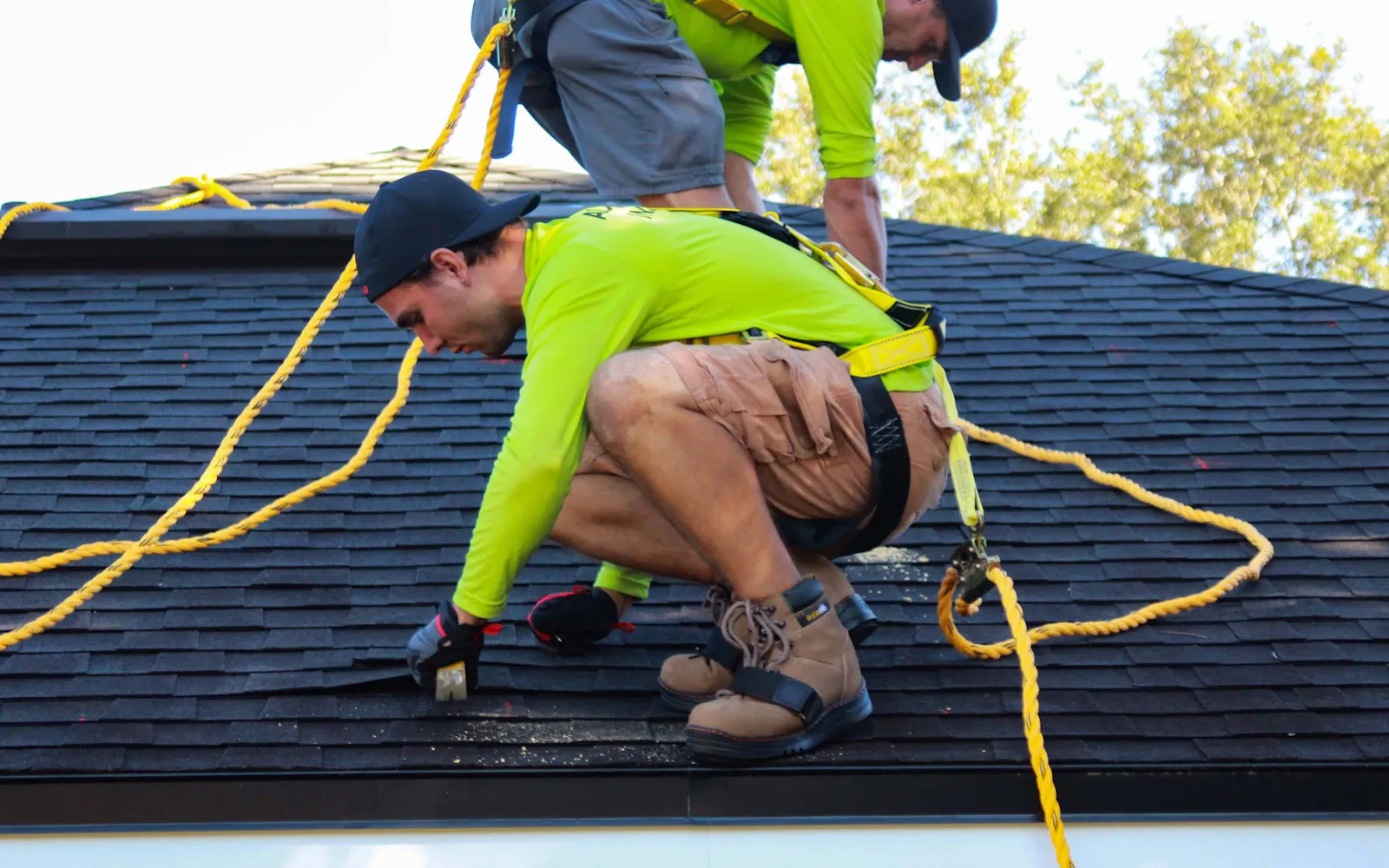
Wet roofs after dark need lighting, harnesses and proper access gear to work on at all. Turning up prepared for that is what makes urgent work safe rather than reckless. We won't send anyone onto a roof we can't work on safely.
Honest About What's Possible
Sometimes a full repair in a gale simply isn't safe or sensible to attempt. We'll tell you plainly what can be done tonight and what genuinely has to wait until morning. You'll get a straight answer rather than an optimistic promise.
Insurance-Ready Paperwork
Clear reports, dated photos and itemised invoices mean less friction with your insurer and far fewer questions later about what was actually done on the day we attended. Most insurers accept our documentation without needing a second visit.
Licensed and Insured
Urgent doesn't have to mean unqualified. The same licensed, insured team handles emergency call-outs and planned roofing work, to exactly the same standard either way. You get the same workmanship guarantee on emergency work as anything else.
We Come Back and Finish
Plenty of operators tarp a roof and are never heard from again. We book the permanent repair in before we leave, so it doesn't get forgotten once the sun comes out. A make-safe visit is the start of the job, not the whole of it.
DIY vs Hiring Whangarei Emergency Roof Repairs Specialists
In the middle of a storm the temptation is to get up there yourself. This is the one job where that rarely ends well.
Wet Roofs in High Wind
This is the most dangerous roof work there is, without exception. A wet, sloping surface in a gale is no place to be without height training and proper fall protection. Every year people are seriously hurt attempting exactly this in a storm.
Knowing What's Structural
A sagging ceiling or a shifted truss isn't a tarp-and-hope situation at all. Recognising that difference in the dark is what stops a bad night becoming a genuinely serious one. Structural damage needs assessing before anyone climbs up at all.
Temporary Fixes That Hold
A tarpaulin weighted down with bricks usually lasts until the next decent gust arrives. Properly fixed temporary weatherproofing stays put through the remainder of the storm instead. Loose bricks on a roof are their own hazard in high wind.
Not Making It Worse
Walking a storm-damaged roof in the dark cracks more tiles and loosens more fixings as you go, often turning a single leak into three separate ones by the morning. You also can't see the damaged sheet that won't take your weight.
Insurance Implications
Unqualified emergency work can affect a claim, particularly if the damage worsens afterwards and an assessor asks who carried it out. Documented professional make-safe work protects your position. Assessors do ask who carried out the initial make-safe work.
Getting It Done Once
Late-night improvising usually has to be undone again the following morning anyway. A crew that makes it safe and returns to repair it properly saves doing the whole thing twice. Doing it once, properly documented, is cheaper and far less stressful.