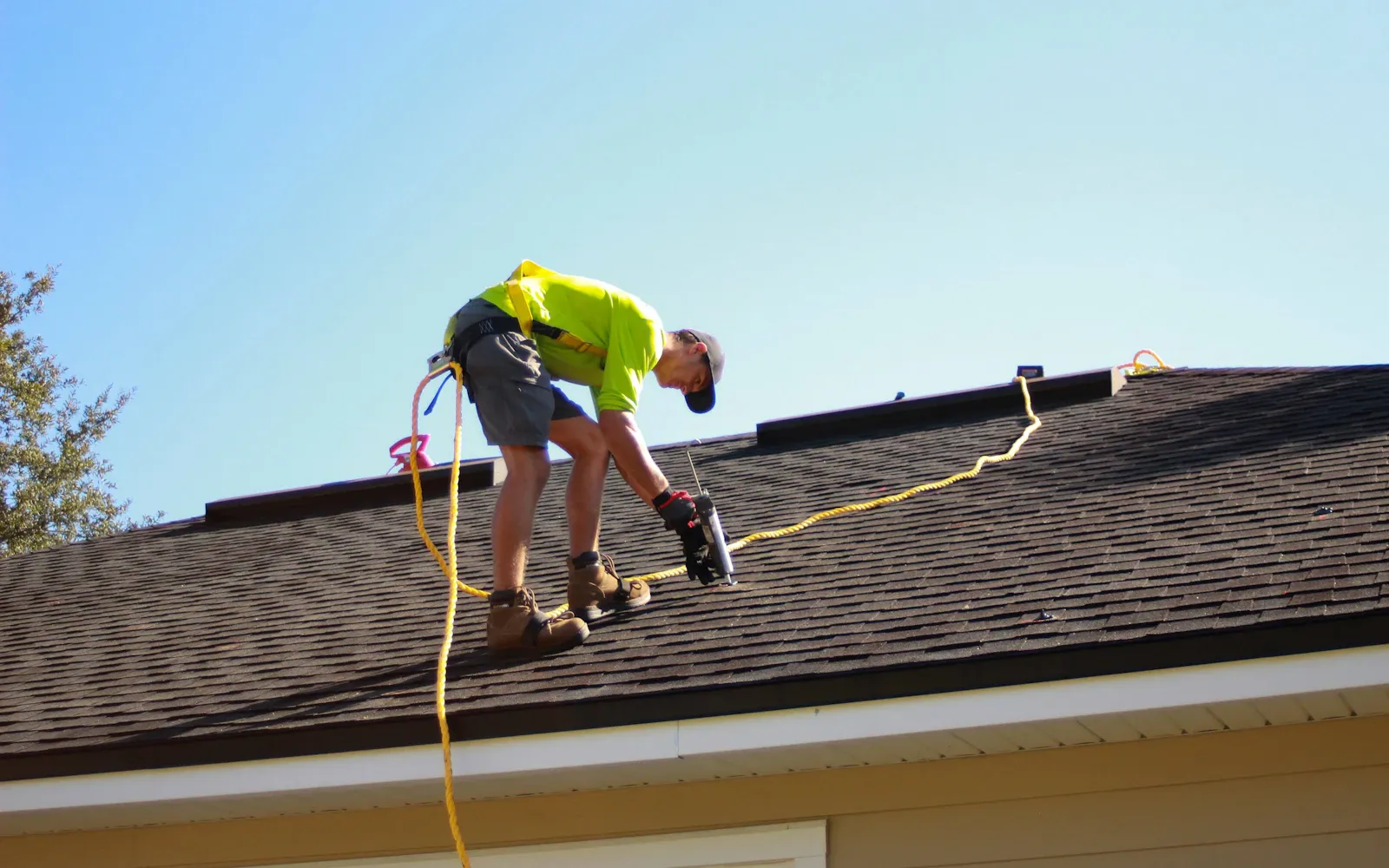
It's the first question almost everybody asks, and the honest answer — "it depends" — is deeply unsatisfying. So let's do better than that. Here's how new roof pricing actually works in Whangārei, what the numbers look like by roof size and by material, and which parts of a quote are worth paying more for.
A note on the numbers. Every figure below is an indicative range for the Whangārei and Northland market, not a quote. Roofs are priced off measurements, access and condition — two houses on the same street can differ by thousands. Use these ranges to sanity-check a quote, then get a proper one.
The quick answer: think in square metres
Roofers don't price a roof by the number of bedrooms. We price it by roof area, and roof area is almost always bigger than people expect — a 140m² house can easily carry 170m² or more of roof once you account for pitch and eaves.
For long-run steel, the most common choice around here, supplied-and-installed pricing generally lands between $150 and $250 per square metre. That range isn't vague for the sake of it: the bottom end is a simple, single-storey, easy-access roof with a straightforward profile. The top end is a steeper, more complex roof with multiple planes, awkward access and more flashing work.
Multiply that out and you get the ballpark for a new roof installation:
| Roof area | Typical home | Indicative range |
|---|---|---|
| 100m² | Small two-bedroom or a large garage | $15,000 – $25,000 |
| 150m² | Standard three-bedroom home | $22,500 – $37,500 |
| 200m² | Four-bedroom or double-storey | $30,000 – $50,000 |
| 300m² | Large home or lifestyle property | $45,000 – $75,000 |
Simple roofs on smaller homes do sometimes come in under $15,000. But if a quote for a full three-bedroom roof lands well below these ranges, that's not a bargain to celebrate — it's a prompt to ask what's been left out.
Cost by roofing material
Material is the single biggest lever on price, and it changes the maintenance bill for the next thirty years too.
Long-run Colorsteel and coated steel
The default for good reason. It's quick to install over large areas, it sheds Northland's rain well, and the colour range means it suits almost any house. Expect $150–$250/m² supplied and fitted. Near the coast the specification matters more than the price — the right grade and compatible fasteners are what determine whether you get twenty years or forty.
Concrete tile
Heavier, quieter in rain, and very long-lived. Materials cost more and installation is slower, so budget $180–$300/m². Tile also needs a structure designed to carry the weight, which rules it out as a like-for-like swap on some homes originally built for steel.
Replacing decramastic
If you've got pressed metal tiles from the 70s or 80s, you're almost certainly replacing rather than repairing. The strip-and-dispose stage is more labour-intensive, so these projects tend to sit at the upper end of the steel range — roughly $180–$260/m² all up. The upside is a dramatically lower maintenance load afterwards.
Membrane and flat roofing
Priced differently again, usually $200–$350/m², because a flat roof lives or dies on the quality of the waterproofing detail rather than the sheet itself. Small flat sections over decks and porches often cost more per square metre than the main roof, simply because there's so much edge detail relative to area.
Asphalt shingle
Less common in New Zealand but growing. Materials are cost-effective at around $140–$220/m² installed, and they suit textured, architectural looks. They're a poorer fit for very exposed sites.
The line items people forget
This is where quotes diverge, and where "cheap" usually hides. A complete price should account for all of the following.
- Removing and disposing of the old roof. On a replacement, this is real labour plus tip fees. It is not a rounding error.
- Scaffolding or edge protection. Legally required on most jobs. On a two-storey home this can be several thousand dollars on its own, and it's the item most often quietly omitted.
- Underlay and ventilation. Cheap to include now, expensive to retrofit later.
- Flashings and penetrations. Chimneys, vents, skylights and valleys all need purpose-made detail. Most leaks we get called to start at a join, not in the middle of a sheet — which is why flashing repair is one of our busiest services.
- Deck and framing repairs. Nobody knows what's under a roof until it comes off. A good quote states an allowance and a rate for extra work, rather than pretending the risk doesn't exist.
- Spouting and downpipes. Replacing 30-year-old guttering while the scaffold is already up is far cheaper than doing it separately in two years. Same goes for downpipe installation if the existing outlets were never sized for the roof.
Where your house is matters
Whangārei isn't one market. Out at Whangārei Heads, Parua Bay or One Tree Point, salt exposure means a higher-spec coating and marine-grade fixings. That might add five to ten percent to the material cost — and save you a premature reroof.
In the newer parts of Kamo or Whau Valley, simple modern roof shapes and good site access push costs toward the lower end. Older character homes in Mairtown or Regent pull the other way: steeper pitches, more gables, original chimneys and tighter sections all add labour.
Do you need a new roof, or something less?
Plenty of people ask us for a new roof and leave with a smaller invoice than they expected. Worth ruling out first:
- If the structure is sound and the material is simply tired, reroofing keeps your existing framing and roof shape — usually the cheaper route.
- If the roof is sound but looks past it, roof restoration can buy a decade for a fraction of a replacement.
- If it's one persistent leak, that's a roof repair, not a rebuild.
- If framing or roof shape is changing, you're into roof replacement territory, and possibly building consent.
How to compare quotes properly
Line up three quotes and you'll often find three different jobs. Before comparing totals, check each one states the roof area measured, the exact product and coating, the fastener type, whether scaffolding is included, what happens if the deck needs repair, whether spouting is included, and what the workmanship guarantee covers.
Once those match, the numbers become comparable. Until then, the cheapest quote is just the one that left the most out.
What we'd suggest
Get someone on the roof, not just in the driveway. A measured quote takes under an hour and tells you whether you're looking at a repair, a restoration or a full replacement — which is a much more useful answer than a per-square-metre guess.